Cultivating Change: Empowering Milwaukee's Amani Neighborhood Through Hydroponics and STEM
Mitchelle Lyle's journey from her childhood in Milwaukee's Amani neighborhood to her mission of giving back to the community is a testament to the power of personal experience and the drive to create positive change. Her early exposure to gardening and self-sustainability laid the foundation for her later efforts to address the food and health disparities in her community, ultimately leading to the launch of the Hydroponics STEM Program, a groundbreaking initiative that combines education, technology, and community empowerment.Unlocking the Potential of Amani: A Holistic Approach to Community Revitalization
Roots of Resilience: Lyle's Childhood and the Inspiration for Change
Mitchelle Lyle's upbringing in the Amani neighborhood of Milwaukee was marked by a unique blend of abundance and scarcity. While she was surrounded by gardens and fresh produce, the community as a whole faced limited access to grocery stores and fresh food options. This early exposure to both the joys of self-sustainability and the challenges of food insecurity would later shape Lyle's mission to make a difference in her community.After pursuing a successful career in engineering and manufacturing, driven by her passion for science and mathematics, Lyle returned to Milwaukee in 2018. The sight of her childhood neighborhood in decline sparked a sense of responsibility within her, prompting her to take action.
Identifying the Needs: Addressing Food and Health Disparities in Amani
Lyle's keen observation of the issues facing her community led her to identify food and health disparities as critical areas that needed to be addressed. The Amani neighborhood, like many underserved communities, grappled with limited access to fresh, affordable produce and a lack of educational resources related to nutrition and healthy living.Recognizing the interconnectedness of these challenges, Lyle set out to develop a comprehensive solution that would not only provide access to fresh food but also empower the community with the knowledge and skills to sustain it.
Cultivating Change: The Birth of the Hydroponics STEM Program
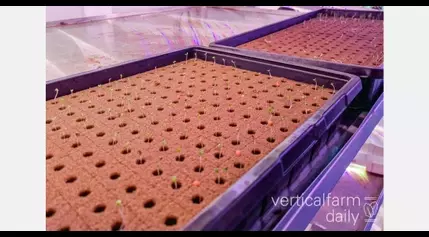
Determined to make a tangible difference, Lyle launched the Hydroponics STEM Program, a five-week summer initiative designed to educate students about the history of agriculture through the lens of Black history, while also teaching them practical skills in hydroponics and STEM (Science, Technology, Engineering, and Mathematics).The program's holistic approach aimed to not only address the immediate need for fresh produce but also to inspire a long-term shift in the community's relationship with food and the environment. By empowering students with knowledge and hands-on experience, Lyle sought to ignite a passion for sustainable agriculture and STEM-related fields, ultimately fostering a more self-reliant and resilient Amani neighborhood.
Bridging the Gap: Connecting Community, Education, and Technology
The Hydroponics STEM Program's unique blend of educational content and practical application set it apart from traditional agricultural or STEM programs. By weaving together the history of Black agriculture, the science of hydroponics, and the versatility of STEM disciplines, Lyle created a learning experience that resonated deeply with the Amani community.Students not only gained a deeper understanding of the rich agricultural heritage of their community but also developed tangible skills in setting up and maintaining hydroponic systems. This hands-on approach allowed them to see the immediate impact of their efforts, fostering a sense of ownership and pride in their newfound knowledge and abilities.
Cultivating a Sustainable Future: The Lasting Impact of the Hydroponics STEM Program
The Hydroponics STEM Program's impact extends far beyond the five-week summer initiative. By empowering students with the tools and knowledge to grow their own food, the program has sparked a ripple effect of self-sufficiency and community engagement.Many participants have gone on to establish their own hydroponic gardens, both at home and in their schools, sharing their newfound expertise with their families and peers. This grassroots movement has not only increased access to fresh produce but has also instilled a sense of environmental stewardship and a deeper appreciation for the role of science and technology in addressing community challenges.Moreover, the program's focus on STEM education has opened doors for students, inspiring them to pursue careers in fields like engineering, agriculture, and environmental science. This investment in the community's youth has the potential to create a lasting impact, as these young leaders become the driving force behind the continued revitalization of the Amani neighborhood.